
- October 31, 2025
- Editorial Team
- Comment: 0
- Blog
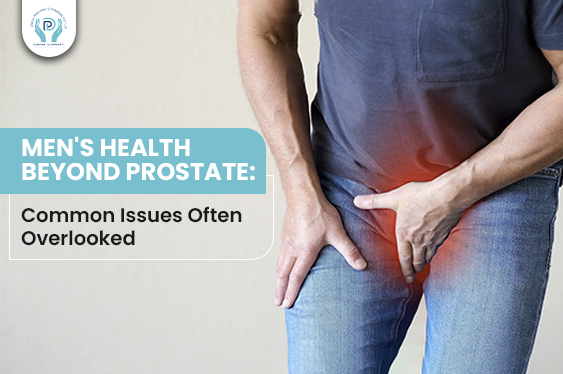
Men’s Health Beyond Prostate: Common Issues Often Overlooked
When people discuss men’s health issues, it usually begins and ends with the prostate. To focus only on the prostate is akin to checking your engine oil while ignoring your flat tire. The body is a system, and systemic means that when one part is off, the whole machine is impaired.
However, thousands of men deal with the reality of symptoms daily, which indicate there is more going on. Is that drop in energy, that you blame on work stress, really low testosterone? Are you having a hard time staying asleep, or waking up drenched in sweat? It’s not only sleep hygiene; it may be your hormones or metabolism saying, “hey!”
The comprehensive health of modern men transcends a simple prostate examination after age 50. It’s about comprehension and hormonal balance, heart health, mood, sleep, and yes, it’s about performance. Urogenital health in men, gut health, low testosterone and mental health aren’t solely an illness avoidance event, rather an event to keep you sharp, fit, and in your own control of your body.
Not Only the Prostate: All Parts Matter
It’s easy to simplify things down to “the prostate’s fine, so everything must be fine.” Men’s health is much bigger than one gland. Your heart, hormones, kidneys, mental health, and even your lifestyle choices are all interconnected. What is bad for one part is usually bad for others, too.
For example, erectile dysfunction could mean there’s something going on with your heart. Always feeling exhausted can mean you’ve got a hormone problem. And being up at night to pee? It’s not always about your prostate. In summary, taking care of your whole body now means less work when something goes wrong later.
What Are the Most Frequent Health Concerns for Men?
Men can endure pain very well, but they are not always good at interpreting what their body is trying to communicate. The fatigue you’ve gotten used to? It might not just be a busy schedule. The gut issues you write off as just “bad take-out”?
Those could be early signs of something deeper. The reality is, everything from increasing stress levels to changes in your libido or bathroom habits, common male health concerns often go unnoticed, until they affect your daily existence.
1. The Heart and Metabolic Health: The Engine Room of Your Body
Quick fact: For men, heart disease remains the main cause of death around the world. Many signals of a problem, like high blood pressure and elevated cholesterol, don’t trigger any signs or symptoms until adverse events happen.
Worries include:
- Excessive tiredness
- Breathlessness with mild exertion
- High blood pressure (regardless of whether you feel okay)
- Weight gain around your waist
- Erectile Problems
Why does it matter: They are often signals of a bystander problem like high cholesterol, diabetes, or even early heart disease.
Here’s what to do:
- Get regular check-ups (blood pressure, glucose, cholesterol)
- Move your body daily – even just a brisk 30-minute walk counts
- Eat less processed food and more fruits, vegetables, and whole grains
- Cut down on alcohol and stop smoking (if you smoke)
- Watch your waistline – abdominal fat is a bigger risk factor than you think!
- A healthy heart helps your entire body, from your brain to your bladder.
2. Sexual Health: More Than Just Bedroom Blues
Most men find discussing their sexual health uncomfortable, but ignoring their sexual health does not make it go away. And here is what many men do not know: Often, issues in the bedroom are early signs of something else.
Common issues may be:
- Erectile dysfunction (ED)
- Premature or delayed ejaculation
- Low libido (low sex drive)
- Pain with sex or ejaculation
- Reduced sensation
What it may indicate:
- Poor circulation or early heart disease
- Hormonal imbalance (especially testosterone)
- Stress, anxiety, or depression
- Medication side effects
- Diabetes or nerve damage
Things you can try:
- Do not be ashamed to speak with your GP or specialist
- Take care of your mental health (more on this in the section below)
- Stay active and eat well, and drink less alcohol. This can all help your overall health
- Consider medications or hormonal therapy if needed, but always speak with a doctor first
3. Urinary Health: It’s Not Just an Age Thing
Do you find yourself needing to go to the bathroom more frequently? Do you have trouble initiating your stream? Do you feel as though you haven’t completely emptied your bladder? These are common indicators of a problem that is prevalent in many men and brings about many inconveniences, which many men simply assume is an inevitable burden of aging; it is anything but.
Some key points to consider:
- Weak urinary stream
- Increased urgency or frequency of feeling you need to go
- Waking up multiple times at night to urinate
- Pain or burning on urination
- Blood in your urine (This should never be ignored!)
Possible underlying issues:
- Enlarged prostate (men over 50 are most commonly affected)
- Bladder infections and/or bladder inflammation
- Kidney stones (symptoms may mimic urinary frequency or urgency)
- Urinary tract infections (and yes, this can happen to men)
- Diabetes or neurological difficulties
Steps to consider:
- Stay well-hydrated, but avoid it before bed
- Avoid holding urine too long
- Avoid bladder irritants (don’t drink excessive caffeine or alcohol)
- Seek urological assessment on a regular basis if you’re having symptoms
Thinking about your urological health as a man isn’t about vanity, but rather about ensuring everything is functioning as expected without pain, inconvenience, and worry.
4. Hormonal Health: When Testosterone Drops
Men may not go through menopause, but they do experience hormonal shifts as they age. The primary male hormone, testosterone, naturally declines and sometimes declines too much.
Here are some signs of low testosterone:
- Fatigue and low motivation.
- Mood swings/depression.
- Loss of muscle mass.
- Weight gain (especially around the belly).
- Low libido or performance issues.
While age plays a part, a decline in testosterone can be lifestyle and stress-related, related to low sleep quality, or medical conditions as well.
Here are some things to do:
- Get your testosterone checked with a blood test.
- Improve your sleep, decrease stress, and exercise.
- Eat healthy fats (Nuts, seeds, oily fish).
- Limit alcohol and quit smoking.
- Consider hormone treatment, but make sure you are working with a healthcare provider.
Restoration of your hormonal health is about feeling like yourself again. Don’t let low energy and low mood become your “new normal.”
5. Mental Health: The Invisible Burden
The truth is that men are far less likely to talk about mental health – and much more likely to suffer undiagnosed.
Watch for the following warning signs:
- Feeling overwhelmed or numb all the time
- Irritability/anger for no reason
- Not sleeping, or sleeping too much
- Not wanting to see friends and family
- Drinking or smoking, or finding other ways to cope
- Thoughts of self-harm or hopelessness
Why it matters: Depression, anxiety and chronic stress can affect more than your mood; they impact your body, sleeping habits, immune system, and even your heart health.
What can help:
- Confiding in someone you trust: (friend, partner, counsellor or GP)
- Don’t wait until you’re at breaking point
- Exercise is a proven mood booster!
- Limit social media and screen time
- Get in 10 or 15 minutes a day of something you enjoy.
Your mental health is just as important as your physical health. The most powerful thing you can do for yourself is ask for help when you need it.
Why Do Men Overlook These Problems?
To be fair, the majority of men do not see a doctor unless the pain is sharp, constant or inhibits them from doing something meaningful. If there is no urgency, it will get tabled. This is not due to slothfulness; it is how men are made up: Just do it, don’t complain and deal with it later. However, this mindset can be a trap.
The issue is that most men’s health issues do not manifest themselves with loud symptoms. They develop slowly and quietly to the point you are left dealing with something far more complicated and serious.
Whether it is dismissing their fatigue, blaming their mood on stress or thinking their changing sexual activity is just part of ageing, it’s easy to let these signals slip by. Not because they don’t care, but because for all the years, they were never taught to notice.
- We normalize our symptoms by saying, “It’s just age,” even when it isn’t.
- We don’t want to talk, especially about sex, emotional, or bathroom problems.
- Furthermore, we’re too busy or think we are, until we become too sick to keep going.
- We feel fine, until we don’t. Many serious conditions are not apparent until later stages.
Health problems do not suggest weakness. Ignoring a health problem does not suggest strength. Caring for oneself is the most responsible thing you can do, for yourself and those in your life.
Men’s Wellness Tips: Staying Ahead of the Game
A few simple changes can make a difference. Here’s a quick checklist:
- Have a health check each year
- Don’t ignore warning signs, especially a change in urination, mood or function
- Move every day – even just walking
- Eat less food that is processed food and more that is natural and whole
- Talk to your GP about any concerns—no matter how trivial
- Stay involved—mates, family, community matter
- Protect your sleep and keep your stress in check
- Know your family history—it may help track any risks early
Conclusion
The subject of men’s health extends far past the prostate; so must your focus. That dwindling energy, changes in sleep, or even a minor variation in your emotional or sexual drive? These are not simply “aging.” These are signals from your body, and the sooner you listen, the more empowered you will be to create change.
From your heart and hormones to your mental health and urogenital health, being proactive means fewer surprises and a better quality of life.
So take action today. Call us at +91-8822669275 or visit Dispur Polyclinic & Hospitals to arrange your consultation. Your health is your responsibility, but you do not have to manage it alone.

Leave feedback about this